
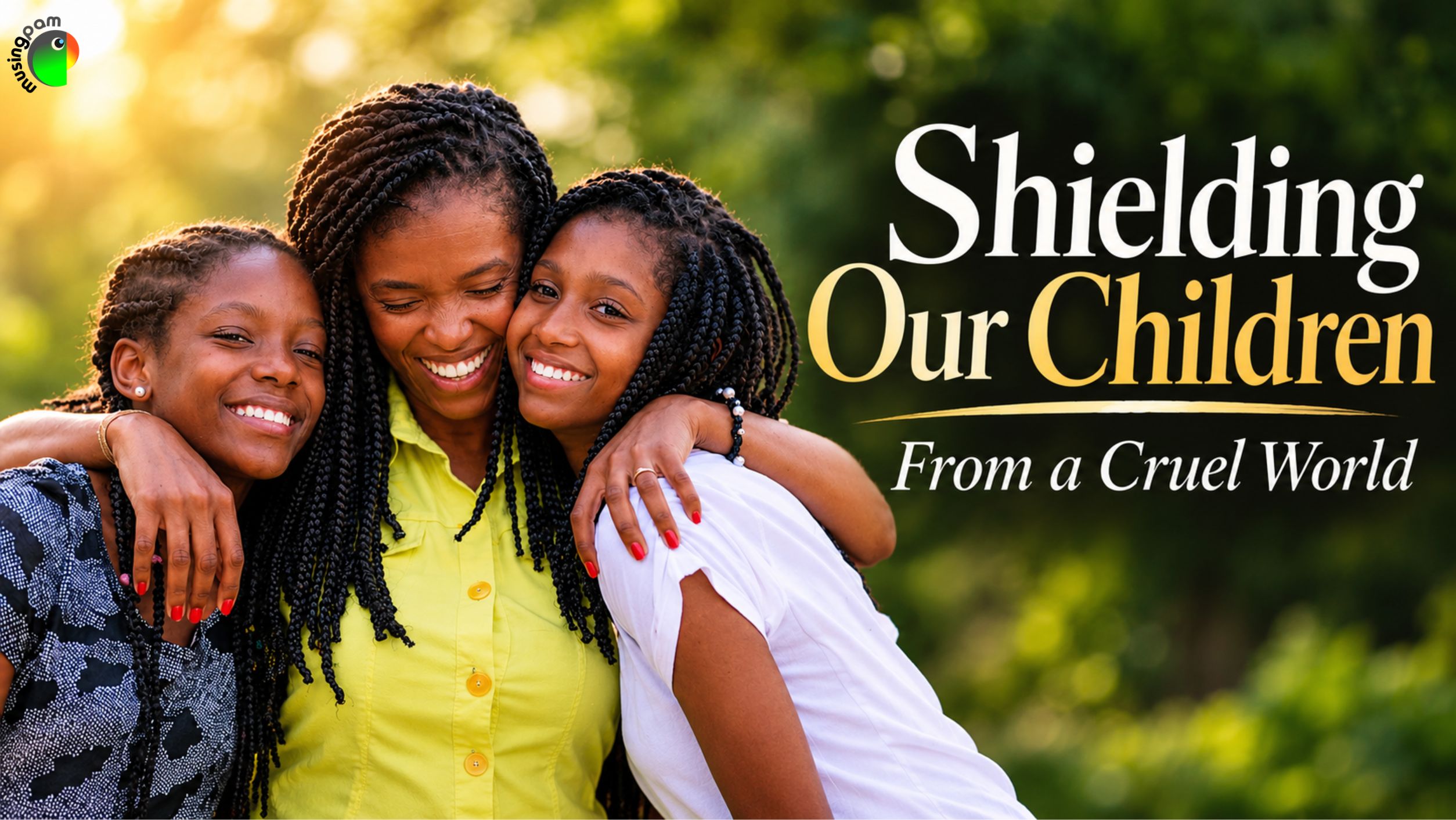
Shielding Our Children From a Cruel World
The difficult balance between protecting our children, preparing them for the realities of life, and trusting God with what we cannot control.
There are moments when I look at my children and wish I could somehow create a world in which nothing bad could ever happen to them. A world where people are genuinely kind, where intentions are always honest, where trust is never abused, and where the innocence of childhood is not interrupted by the cruelty of others.
I know such a world does not exist, but I sometimes find myself wishing it did, particularly when I come across stories that remind me just how frightening the world can be.
The recent verdict in the Russell Brand case was one of those moments for me. Brand was convicted of rape and three counts of sexual assault in November 2026. Separately, a woman has spoken publicly about alleged abuse involving Brand when she was just 16 years old. Those particular allegations were not part of the convictions. The Crown Prosecution Service +1
Sixteen… That number stayed with me because my eldest daughter is 16.
Suddenly, I wasn’t simply reading another disturbing news story. I was thinking about my daughter, her friends, and all the young girls who are beginning to discover the world beyond the safety of their homes.
I thought about how easily a young person could find themselves in a situation they do not fully understand, particularly when the person involved is older, more experienced, influential, or someone they have been taught to respect.
And I found myself asking a question I suspect many parents have asked at some point: How do you protect your children from a world where you cannot always recognise the danger, let alone prevent it?
The Fear That Comes With Loving Them
There is a particular kind of fear that comes with parenting, and I think it changes as our children grow. When they are little, our worries are often about the things we can see and, to some extent, manage.
We hold their hands when crossing the road, make sure they are safely strapped into their car seats, remind them not to talk to strangers, and check that they are warm enough before leaving the house. We create routines, establish boundaries, and make decisions on their behalf because they are not yet able to make them for themselves.
But then they grow.
The little girl who once needed you to hold her hand now wants to go out with her friends. She has opinions, dreams, relationships, and experiences that increasingly exist outside your immediate knowledge. She wants independence, and rightly so, because growing up is supposed to involve discovering who you are beyond your parents.
Yet, as a mother, I sometimes find myself caught between celebrating that independence and feeling terrified by what comes with it.
I want my daughters to experience life. I want them to travel, make friends, fall in love when the time is right, pursue opportunities and enjoy the beautiful things this world has to offer. I don’t want them growing up suspicious of everyone or believing that danger is waiting around every corner. But equally, I cannot pretend that everyone they encounter will have good intentions.
And that is where parenting becomes incredibly difficult. We are raising children for a world that we know can be wonderful, while also knowing that it can be deeply cruel.
When the Danger Doesn’t Look Like Danger
One of the things that troubles me most about stories of exploitation and abuse is the reminder that danger does not always announce itself in ways we expect.
Sometimes, it comes through someone charming, successful, respected, or admired. Someone who knows exactly what to say to make a young person feel special, mature, or understood. Someone who gradually creates a situation where the young person feels unable to question what is happening.
As parents, we can spend so much time teaching our children to be careful around strangers that we sometimes forget to explain that familiarity, popularity, and even affection do not automatically make someone safe.
I think particularly about teenage girls who are still developing their understanding of relationships, boundaries, and their own worth. At 16, you may feel grown up, and in many ways you are becoming more independent. But there is still so much you are learning about yourself, about other people and about how power can operate within relationships.
An older person showing interest may initially feel flattering. Attention can be mistaken for affection, persistence for love, and control for care. A young person may not immediately recognise manipulation, particularly when it is wrapped in kindness or promises.
This is why I believe the conversations we have with our children must go beyond telling them to be careful.
We need to help them understand what healthy relationships look like, what respect feels like, and why they never owe anyone access to their bodies, their time, or their affection simply because that person has been kind to them.
And perhaps most importantly, they need to know that if something feels uncomfortable, they are allowed to question it, even when everyone else thinks the person involved is wonderful.
We Cannot Control Everything, No Matter How Much We Want To
I think one of the hardest truths I have had to accept as a parent is that loving my children deeply does not give me the ability to control everything that happens to them.
I can make rules about where they go, who they spend time with, and when they should return home. I can monitor certain activities, ask questions, and establish expectations. Some of those boundaries are necessary, particularly while they are still young.
But there will always be things beyond my reach. I cannot control every conversation they have, every person they meet, or every decision someone else makes. I cannot guarantee that the people they trust will always deserve that trust. I cannot prevent every disappointment, betrayal, or difficult experience.
And if I am not careful, the fear of what might happen can begin to influence how I parent.
I may become overly restrictive, suspicious, or unwilling to allow the independence my children need to develop. I may convince myself that keeping them close is the same as keeping them safe, when in reality there will come a time when they must navigate situations without me standing beside them.
That does not mean abandoning boundaries or becoming careless about their safety. It means recognising that there is a difference between protecting our children and trying to control their entire world.

The first is our responsibility. The second is simply impossible. And perhaps the greater challenge is learning how to fulfil that responsibility without allowing our fears to become the limitations our children inherit.
Equipping Them Is Just as Important as Protecting Them
I have been thinking a lot about what it actually means to prepare my daughters for the world. I am increasingly convinced that one of the greatest gifts we can give our children is the confidence to recognise when something is wrong and the courage to respond, even when doing so feels uncomfortable.
I want my daughters to understand that being respectful does not mean being submissive to someone else’s inappropriate behaviour. That saying no is not rude. That they do not have to remain in uncomfortable situations simply because they are worried about offending someone.
I want them to know that their voices matter, their instincts deserve attention, and their boundaries do not require an explanation that satisfies everyone else.
But I also recognise that knowing these things does not mean they will always find it easy to act on them. Even adults struggle to challenge people who hold power over them. We sometimes freeze, doubt ourselves or worry about the consequences of speaking up. How much more difficult might that be for a young person?
So, rather than simply telling my daughters to be strong, I want to create opportunities for them to practise making decisions, expressing disagreement and asking difficult questions.
I want our home to be a place where they can challenge my views respectfully, tell me when they think I am wrong, and speak honestly about their experiences without immediately fearing my reaction.
Because if I teach my children that questioning authority is disrespectful, how can I expect them to confidently challenge an adult who crosses their boundaries?
And if every mistake they make is met with anger, how can I expect them to come to me when something has gone terribly wrong?
I want them to know that even if they make a decision I disagree with, even if they ignore advice I have given them, and even if they find themselves in a situation they are ashamed to talk about, they can still come home and tell me.
Their safety must always matter more than my disappointment.
And if someone ever harms them, I want them to know that the responsibility belongs to the person who caused that harm, not to them for failing to recognise or prevent it.
Teaching Them to Trust God Without Living in Fear
As a Christian mother, my faith plays an important role in how I navigate these fears.
There are times when I find myself worrying about situations that have not happened, imagining possibilities that I pray my children will never experience. And in those moments, I am reminded that while I have been entrusted with the responsibility of raising my daughters, I was never given the responsibility of controlling every outcome of their lives.
That responsibility was never mine to carry.
One of the scriptures I often return to is Psalm 121:7–8:
“The LORD shall preserve thee from all evil: he shall preserve thy soul. The LORD shall preserve thy going out and thy coming in from this time forth, and even for evermore.” Psalm 121:7–8 (KJV)
There is something deeply comforting about knowing that God’s presence is not limited to the places where I can physically accompany my children.
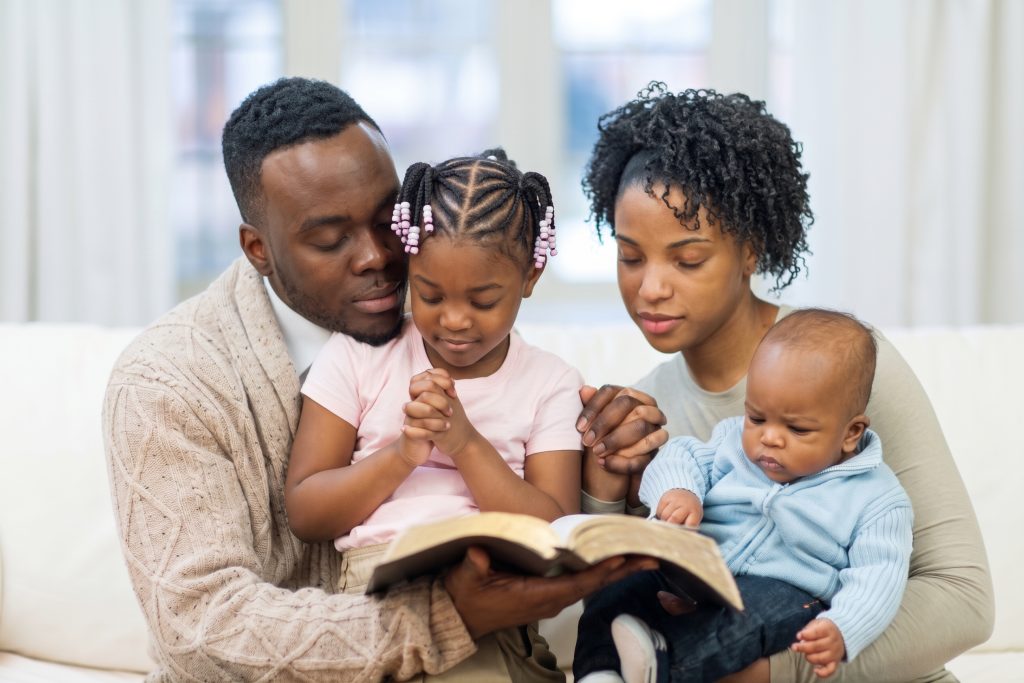
When they leave for school, when they go out with friends, when they eventually leave home and begin building lives of their own, I can trust that God remains present with them.
But trusting God does not mean I stop parenting intentionally. It does not mean I ignore warning signs, overlook safeguarding concerns, or assume that because I pray, nothing difficult will ever happen to my children.
Faith is not a guarantee that life will be free from harm. Even people who love God deeply experience painful and unjust things.
For me, faith means recognising that I can do everything within my responsibility and still need to surrender what lies beyond my control.
I can teach my daughters God’s Word, encourage them to seek wisdom, help them understand their worth, and remind them that they are wonderfully made. I can pray for discernment over their relationships, for courage when they face difficult situations, and for people who will genuinely care for them.
I can also teach them that God’s love does not require them to tolerate mistreatment, remain silent about abuse, or sacrifice their safety to please others.
And then I must trust Him, not because I know everything will happen exactly as I want, but because I believe He loves them even more than I do.
Raising Children Who Can Face the World, Not Fear It
I sometimes wonder whether, in our desperation to protect our children, we unintentionally communicate that the world is something they should be afraid of.
We warn them about dangerous people, unhealthy relationships, social media, exploitation, and the consequences of poor decisions. These conversations are necessary, but I also want my daughters to know that there are good people in this world. There are friendships that will nurture them, relationships that will honour them, and opportunities that will bring them enormous joy.
I don’t want fear to become the loudest voice in their lives. I want wisdom to be louder. I want them to approach life with confidence rather than suspicion, discernment rather than constant anxiety, and the understanding that they deserve to be treated with dignity wherever they go.
I also want them to understand that they have a responsibility towards others. That the values we teach about consent, kindness, respect and boundaries apply not only to how they should expect to be treated, but also to how they treat the people around them.
Because preparing our children for a better world is not only about helping them recognise cruelty. It is also about raising people who refuse to contribute to it.
And When I Cannot Be There…
I know there will be moments when my daughters make decisions without consulting me. There will be experiences they choose not to share immediately, mistakes they make, and situations they navigate differently from how I would have approached them.
That is part of growing up, and accepting it is part of parenting.
I cannot spend their entire lives standing between them and every possible danger. Nor would I want them to become adults who feel incapable of making decisions without my approval. What I can do is make sure that the years I have with them are spent building something that will remain long after they have left the security of our home.
I can build trust through our conversations, confidence through the opportunities I give them, wisdom through the lessons we share, and faith through the way we live. I can teach them that they are valuable, that love should never demand the surrender of their dignity, and that no relationship is worth losing themselves in.
And I can remind them that no matter how old they become, there will always be a place where they can return without having to pretend that everything is fine.
The Russell Brand case reminded me of the vulnerability of young people, but it also made me reflect on the responsibility we carry as parents. We cannot eliminate every risk our children may encounter, but we can help them recognise unhealthy situations, understand their rights and know where to turn when they need support.
Perhaps our greatest responsibility is not to raise children who will never encounter a cruel world, but to raise children who know their worth, recognise when that worth is being disregarded, and have the confidence to seek help.
And for me, there is one more thing.
I will continue to pray over my daughters, speak God’s promises into their lives and ask Him to guide their steps. I will continue to equip them with the wisdom and knowledge they need, while accepting that there are places my love cannot physically reach.
Motherhood has taught me that protecting our children is an expression of love, but learning to release them into God’s care is also an expression of faith.
I may not always be able to hold their hands, but I pray that the values I have instilled, the conversations we have shared, and the faith we have nurtured will continue to guide them.
My job is not to promise them a world without danger. My job is to equip them for the world they will face, remain a safe place for them to return to, and trust God with the parts of their journey I cannot see.
And perhaps that is one of the hardest, yet most necessary, lessons of parenting: knowing when to hold on, when to let go, and when to place what we love most into God’s hands.
Until next time,
With love,
Pam.